When you need to cry, nothing else substitutes

When you need to cry, you're in good company.
The Bible never criticizes people who cried. In fact, it details the weeping of several important figures, including:
- Joseph in the OT
- Ruth
- Job
- David
- Elisha
- Jeremiah
- Hannah
- Peter
- Jesus
- Paul
We singles are often driven to tears. I'm not ashamed to say I cry at times. If Jesus did it, none of us should be ashamed to cry.
But it's a controversial subject today. In the United States, crying in public is often disapproved of. You'll notice when celebrities or powerful people are at funerals, they always wear sunglasses, as if it demeans them for others to see them in tears.
Man or woman, what should you do when you need to cry?
Sometimes life becomes too much
When pressure builds and builds, something has to give. That's why machines have relief valves. Rather than the whole device exploding, a specially designed valve blows, allowing stress to escape safely.
The same thing happens when you need to cry. This sudden outburst releases your emotions rapidly and effectively. I believe the ability to cry is a gift from God.

Oddly, we enjoy watching people cry tears of joy but feel uncomfortable when we see tears of sorrow. Both are natural. Could it be we want to help the person weeping in sadness but don't know how?
Many cultures teach that male crying is a sign of weakness. Any man reading this probably heard in his childhood, "Big boys don't cry." No doubt the person who said that was repeating a long line of ignorance. Men on the job are forgiven for cursing, screaming, or knocking objects around, but never for crying.
Women are also faulted for crying in a work setting. When women are expected to be tough, unemotional professionals, crying is often seen as poor judgment or manipulative.
Crying in private is a different matter and can be good for your mental health. Some singles may turn to alcohol or drugs when a good cry is what they really need. The problem arises when crying becomes too frequent a habit.
How much crying is too much?
When you need to cry: The danger
Mourning the death of a loved one, a lost relationship, or a lost job marks a major turning point in life. Dashed expectations are a shock to both your mind and body.

With major losses, one good cry may not be enough. You may feel weepy for months. Everyone responds differently. I wept freely when my Dad died and cried at home for months after that. It was not a daily event, but it took time to let all the sadness out.
In most cases, the passage of time heals us. We cannot rush recovery, yet there does come a point to move on. Remember, however, crying from loss is different from crying because of stress. Stress is ongoing.
The danger in crying occurs when it turns into our default setting, and we use it to avoid taking action. Like a relief valve, crying is for emergencies, but it shouldn't substitute for facing our problems or getting help to deal with them.
Millions of singles feel absolutely miserable because they are not married. A crushing sense of melancholy marks their lives. When nothing seems to change, they feel hopeless and cry regularly. Depression sets in.
If that has happened to you, be wise and tell your doctor about it. Don't be ashamed. Your doctor is an impartial judge of whether your condition is normal or needs to be treated. Don't rely on family members' opinions.
Many Christians are reluctant to take medication because their pastor has criticized pills. Do not be misled. First, your pastor is probably not single and doesn't understand the pressures you are under. Second, he may believe in medical science—but only up to a point. Third, he may be repeating an outdated warning he heard in seminary many years ago.
Prescription medications have proven safe for decades. Several factors enter into depression and anxiety, and some of them have a biochemical origin. That's why medication is sometimes needed to correct an imbalance. Administered by an experienced healthcare professional, it is neither sinful nor dangerous.
When you need to cry: God listens
Honest tears from the hurts of life are part of the human condition. We don't need to bottle them up.
You're probably familiar with the shortest verse in the Bible: "Jesus wept." (John 11:35), but we rarely think about the other time he cried, in Luke 19:41. Jesus wept over the fate of Jerusalem and prophesied in stunning detail exactly how the Romans would lay siege and level the city in 70 A.D.
Jesus is fully God and fully human. He experienced the pain that brings on tears. God the Father never scolded any of the Bible characters who cried before him. If anything, his heart of compassion reached out to them, as it reaches out to you.

It can be discouraging when we cry and nothing changes, but we should not assume God is ignoring us. When you need to cry, it's a form of wordless prayer than can be expressed in no other way. The Holy Spirit knows exactly what you need, even when you don't. He carries your petition to the Throne for action.
God listens and works behind the scenes, both in you and in your circumstances.
We can use this gift of crying now to relieve stress and confusion, but God makes a comforting promise on how life will be different in heaven:
"He will wipe away every tear from their eyes, and death shall be no more, neither shall there be mourning, nor crying, nor pain anymore, for the former things have passed away.” (Revelation 21:4, NIV)
Find hope when you're hurting...
We singles look to many things for hope, and most of them disappoint. True, lasting hope is found in Jesus Christ.
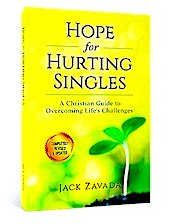
Hope for Hurting Singles points you to Jesus in every painful circumstance of your life, from loneliness and depression to rejection and fear.
Author Jack Zavada had been single for 45 years when he wrote this book and detailed the strategies that work, as well as the ones that don't--so you can save time and effort.
Hope for Hurting Singles gives you practical, real-world solutions to the problems that keep you awake at night. This is clear, doable stuff, just what you need to make sense of your life and move forward.
Hope for Hurting Singles is $10.99 in paperback and $3.99 for the Kindle version. Get your copy today!

Other helpful articles on this site:

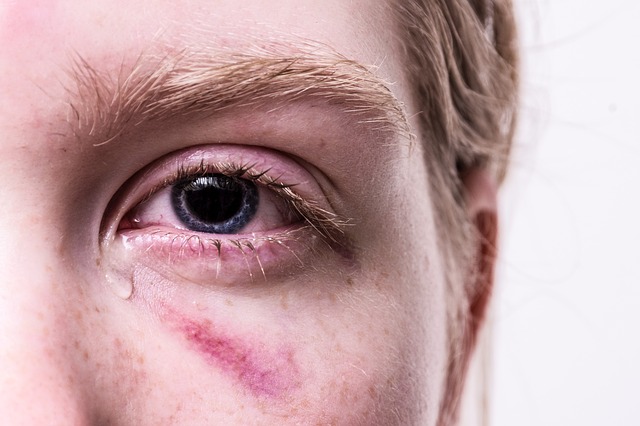



Why you can't be happy all the time

FREE ebook!
10 Secrets Every Single Should Know